
Your body has two circulation systems. Only one of them has a pump.
Your heart pumps blood around your body all day, every day, without you thinking about it. But your body also has a second circulation system, your lymphatic system, and it has no pump of its own. Instead, lymph fluid moves when you move. Walking, breathing deeply, and especially gentle bouncing all help push it along.
When you're recovering from illness, surgery, or a cardiac event and you're moving less than usual, this second system can slow right down, and that's part of why gentle movement matters so much during recovery.
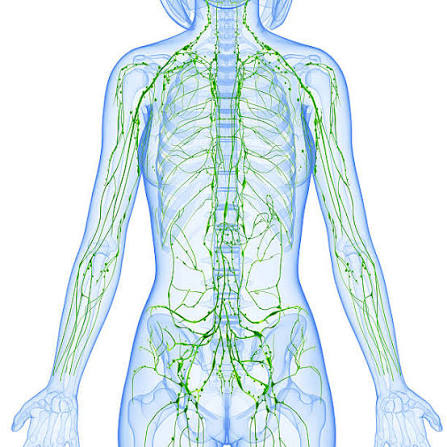
Why bouncing, specifically
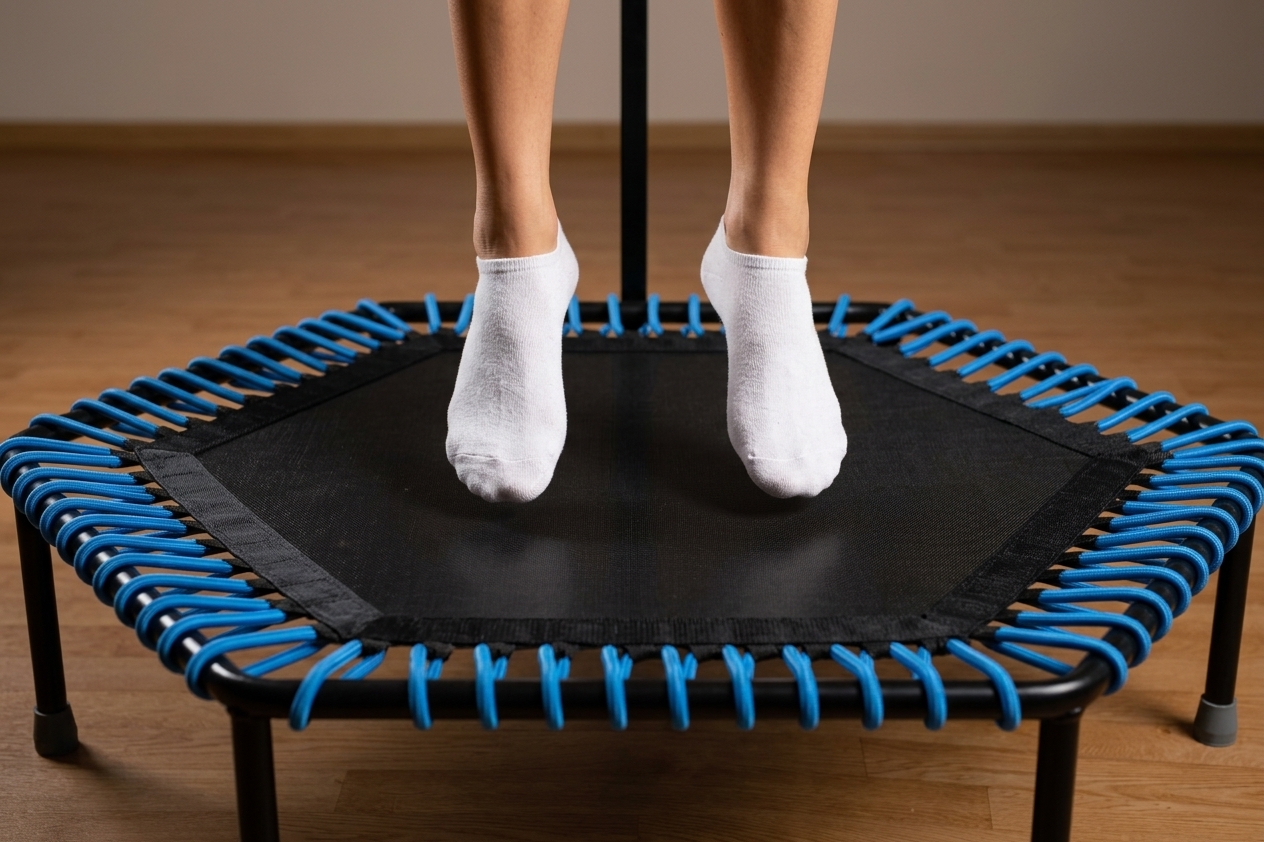
Rebounding (bouncing on a mini trampoline) works differently from walking or running. Each small bounce briefly changes the pull of gravity on your body, and that gentle rise and fall is thought to help open and close the one-way valves inside your lymphatic vessels, encouraging fluid to keep moving.
It's also easier on your joints than most other cardio. The trampoline's surface absorbs much of the impact, so you get the benefit of movement without the jarring of pavement or a hard studio floor. That's a big part of why it's used in rehabilitation settings and recommended for people who need a gentler starting point.
What the research says (and doesn't say yet)
We want to be upfront: rebounding is a promising, well-studied area, but not a fully settled one. - A NASA-funded study back in 1980 found that bouncing produced greater physical work for the same oxygen use compared to treadmill running, and that trampolining put noticeably less strain through the body than running did.
It's one of the most cited pieces of research in this space, though the original study was small (8 participants).- A 2024 scoping review of rebounding in rehabilitation settings found consistent benefits for circulation, balance, bone health, and overall function, while also noting that the field still needs more large-scale research and clearer safety guidelines.
We take that seriously, which is part of why our sessions focus on gentle, controlled movement rather than high-intensity bouncing.- Improving lymphatic flow through movement is well established in general terms. The specific research on rebounding's effect on the lymphatic system is still growing, so we describe it as something rebounding is believed to support, not a guaranteed medical outcome.
Before you start
If you're recovering from a cardiac event, surgery, cancer treatment, or another serious illness, please get clearance from your doctor before beginning any new exercise, including gentle rebounding. Cardiac rehabilitation guidelines consistently support starting movement early and gradually under medical guidance, and we want you moving in a way your own care team has confirmed is safe for you.
Once you're cleared, we're here to help you take that first bounce, gently, safely, and never alone.
Let's go!